
Fermented Pomelo: Traditional Recipes, Probiotic Benefits, and Fermentation Science
✨ This article was AI edited. Editorial responsibility: GarlicFruit.com.Exploring the culinary and probiotic wonders of fermented pomelo (Citrus…
Pomelo (Citrus grandis, syn. Citrus maxima) represents an ancestral wild citrus species native to Southeast Asia that produces the largest hesperidium fruits in the plant kingdom, characterized by a thick pectinaceous albedo, crisp non-dripping juice vesicles, and concentrated bitter naringin bioflavonoids.
Deconstructing lacto-fermentation kinetics and microbial degradation of citrus bittering agents into functional metabolites.
Mastering water leaching, repeated blanching, and sweet braising techniques to transform fibrous albedo into candied delicacies.
The ceremonial and culinary role of pomelo in Cantonese banquets, braised seafood pairings, and festive Lunar celebrations.
Why citrus does not accumulate sugars post-harvest, and how controlled peel moisture loss (“sweating”) intensifies natural flavor.
Unlike secondary citrus hybrids (such as sweet oranges or grapefruits), the true pomelo possesses an anatomical architecture optimized for environmental durability. The exterior flavedo contains deep oil glands synthesizing aromatic monoterpenes (d-limonene, myrcene, and linalool). Directly beneath lies the albedo, an exceptionally thick spongy mesocarp composed of cellulose microfibrils and high-molecular-weight pectin that can constitute up to 30% of total fruit mass.
Inside the segmented carpellary locules, the edible pulp consists of elongated juice vesicles. In quality cultivars, vesicle membranes are sufficiently robust that individual juice pearls can be separated cleanly by hand without rupturing. Flavor profiles range from the honeyed, acid-free notes of Asian cultivars to the vibrant, ruby-tinted berry undertones of anthocyanin-rich Western selections.
| Cultivar Variety | Geographic Origin | Pulp Pigmentation & Texture | Optimal Culinary Application |
|---|---|---|---|
| Honey Pomelo (Pinghe Guanxi) | Fujian, China | Pale ivory; tender vesicle walls, low acidity, mild honey finish | Raw snacking, digestive citrus syrups, tea infusions |
| Chandler Pomelo | California, USA (Hybrid) | Vibrant ruby-pink; juicy, balanced sugar-acid ratio | Cocktail mixology, citrus reductions, savory salads |
| Kao Paen (Siamese Sweet) | Nakhon Pathom, Thailand | Translucent white; firm non-dripping pearls, zero bitterness | Authentic Thai Yum Som-O spicy chili-lime salads |
Pomelo (Citrus grandis) is a pure, ancestral wild citrus species. Grapefruit (Citrus paradisi) is an accidental 18th-century hybrid created in Barbados by natural crossing between sweet orange (Citrus sinensis) and pomelo.
Yes. While bitter raw due to naringin bioflavonoids, the albedo is exceptionally high in soluble pectin. Once blanched and soaked in cold water to remove bitterness, it can be candied in sugar syrup or braised in savory stocks.
Although pomelos do not produce new sugars post-harvest, storage allows mild transpiration (“sweating”), which evaporates water from the thick peel, reduces titratable acidity, and concentrates existing sugars in the pulp vesicles.
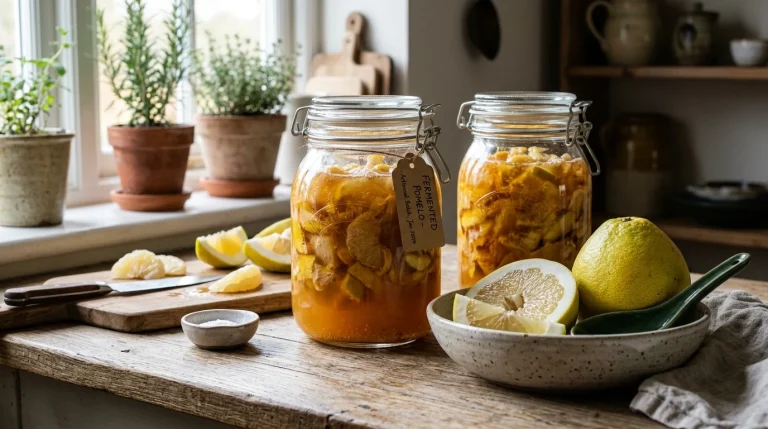
✨ This article was AI edited. Editorial responsibility: GarlicFruit.com.Exploring the culinary and probiotic wonders of fermented pomelo (Citrus…
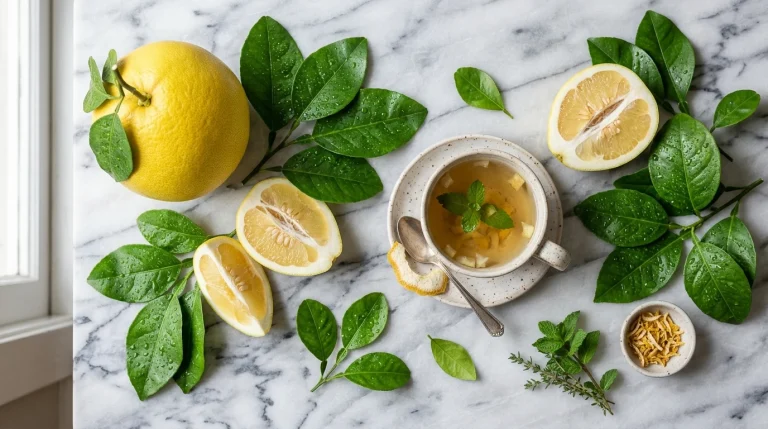
✨ This article was AI edited. Editorial responsibility: GarlicFruit.com.Across Southeast Asia and traditional citrus-growing regions, pomelo leaves (the…

Pomelo is not only delicious but also a fertility booster! Packed with vitamins and antioxidants, this fruit can help enhance reproductive health naturally. Learn more about the benefits of adding pomelo to your diet for improved fertility.

Dive into the world of Chinese cuisine and unlock the secret of pomelo! This citrus fruit adds a unique flavor and texture to dishes, providing a delightful revelation in every bite. Discover how to incorporate pomelo into your cooking and elevate your culinary creations.

Discover the unique flavors of pomelo pith with our creative recipe that turns bitterness into a culinary delight. Learn how to transform this often overlooked ingredient into a tasty and versatile addition to your cooking repertoire.

Pregnancy often brings about a myriad of dietary restrictions and questions, and one popular query among expectant mothers…

Pomelo leaf has been used for centuries in traditional medicine for its healing properties. From boosting immunity to promoting digestion, discover how this ancient remedy can benefit your modern wellness routine.

Pomelo pie is a delightful dessert that perfectly balances the sweet and tangy flavors of this unique citrus fruit. Whether you’re a pomelo lover or looking to try something new, this pie is sure to satisfy your cravings for a refreshing and flavorful treat.

Why stick to the same old margarita when you can switch things up with a pomelo twist? This refreshing cocktail adds a burst of citrusy flavor to the classic recipe, sure to impress your guests at your next party. Learn how to make it now!

Introducing the Pomelo Pearl Grape – a unique citrus sensation that combines the sweetness of grapes with the refreshing tang of pomelo. This delicious fruit is a must-try for all citrus lovers!

Pomelos do not ripen after being picked, so it’s important to select a ripe one from the start. Look for firmness and a heavy weight for juiciness. Enjoy this refreshing citrus as a snack, in salads, or squeezed for fresh juice!

Elevate your breakfast routine with homemade pomelo marmalade! This zesty spread is bursting with flavor and can be easily made at home. Learn how to brighten up your mornings with this delicious and versatile condiment.
Ready to enjoy the juicy goodness of pomelos without breaking the bank? Our pomelo price guide will help you navigate the market to score the best deals on this year’s must-have citrus fruit. Stay informed and start saving today!

Looking for a new way to unwind? Look no further than the potent Pomelo strain. This citrus twist on relaxation will leave you feeling refreshed and rejuvenated. Discover the benefits of this unique strain today!

Transform your space with the invigorating aroma of a pomelo candle. Citrus aromatherapy can uplift your mood and create a fresh, welcoming atmosphere in your home.

Revitalize Your Hair with Pomelo Hair Tonic: Nature’s Secret to Luscious Locks! Discover the power of pomelo extract in this natural hair tonic that will leave your locks looking healthy and vibrant. Say goodbye to dull, lifeless hair and hello to gorgeous, revitalized strands!

Looking for a light and refreshing meal? Try our exotic pomelo salad with juicy shrimp! Packed with vibrant flavors and bursting with freshness, this dish is sure to satisfy your taste buds.

Bake up a storm with pomelo cookies for a zesty twist on a classic treat! These delicious cookies are bursting with citrus flavor and are sure to be a hit with friends and family. Get ready to impress with this unique and tasty recipe.

Pomelo season in Florida typically runs from late August to early December. Look for this juicy citrus fruit at local farmer’s markets and specialty grocery stores for the best selection. Don’t miss out on this refreshing and flavorful treat!

Indulge in the exotic flavors of pomelo liqueur, a tropical cocktail essential! With its unique citrusy taste and versatile pairing options, pomelo liqueur is a must-have for any cocktail enthusiast looking to elevate their drink game.