
How to Make a Ginger Decoction: Science, Recipe, and Health Benefits
✨ This article was AI edited. Editorial responsibility: GarlicFruit.com.Understanding how to make a ginger decoction unlocks the full…
Ginger (Zingiber officinale) is a monocotyledonous perennial herb belonging to the Zingiberaceae family, cultivated globally for its aromatic subterranean rhizome which synthesizes pungent phenolic [6]-gingerols, sesquiterpene zingiberene, and fiery [6]-shogaols upon thermal dehydration.
How sustained 30-minute simmering ruptures dense rhizome fibers, concentrating bioavailable [6]-shogaols for digestive wellness.
Mastering 1:2 and 1:5 root-to-solvent ratios with 80-proof vodka or pure cane alcohol for shelf-stable culinary extracts.
Preparing fresh vs dried rhizomes, preventing cloudiness, and optimizing dark glass maceration storage for maximum potency.
Leveraging wild yeasts and acetic acid bacteria to create fizzy, probiotic-rich ginger beverages without artificial flavorings.
The underground storage structure of Zingiber officinale is not a true root, but a thickened horizontal stem called a rhizome that produces adventitious fibrous rootlets and aerial leafy pseudostems. Freshly harvested mature ginger rhizomes contain high moisture levels (80%–85%) and store their sensory potency in oily oleoresins dominated by [6]-gingerol. This compound interacts with transient receptor potential vanilloid 1 (TRPV1) receptors on the human tongue, producing a crisp, warming, and non-lingering pungency.
When fresh ginger is exposed to thermal dehydration, drying, or sustained simmering, [6]-gingerol undergoes a beta-hydroxy elimination reaction (dehydration of the hydroxyl group), transforming into [6]-shogaol. Shogaols are approximately 2.2 times more pungent than gingerols on the organoleptic scale and display potent free-radical scavenging properties. When roasted or subjected to extreme heat, shogaol can further cleave via retro-aldol reaction into zingerone, which yields sweet, woody, balsamic aromatics characteristic of gingerbread and craft sodas.
| Rhizome State | Dominant Chemical Compound | Sensory Heat & Aroma | Best Culinary & Herbal Application |
|---|---|---|---|
| Fresh Young Rhizome | [6]-Gingerol, Zingiberene, Beta-bisabolene | Mild, juicy, citrusy bite; crisp snap, low fibrousness | Pickling (Japanese Gari), stir-fries, fresh salads, green tea additions |
| Dehydrated / Dried Root | [6]-Shogaol (via beta-hydroxy elimination) | Intense, fiery, long-lasting warming throat burn (2.2x heat) | Therapeutic decoctions, dry spice rubs, concentrated herbal tinctures |
| Roasted / Charred Root | Zingerone (via retro-aldol conversion) | Sweet, spicy, balsamic, caramelized aroma | Artisanal sodas, ginger beer fermentation, braised broths |
[6]-Gingerol is the primary bioactive in fresh ginger rhizomes, offering a sharp, herbaceous warmth. When heated or dehydrated, [6]-gingerol loses a water molecule to form [6]-shogaol, which is over twice as pungent and possesses enhanced warming and anti-inflammatory properties.
Steeping ginger in hot water only extracts light surface terpenes. The dense lignified fibers and hydrophobic oleoresins within the rhizome matrix require continuous low simmering (decoction) for 20 to 30 minutes to fully dissolve into the liquid broth.
No. The outer papery skin is edible and contains a high concentration of aromatic terpene oils right beneath the epidermal layer. Provided the rhizome is thoroughly scrubbed of dirt, keeping the skin on enhances depth of flavor and extraction yield.
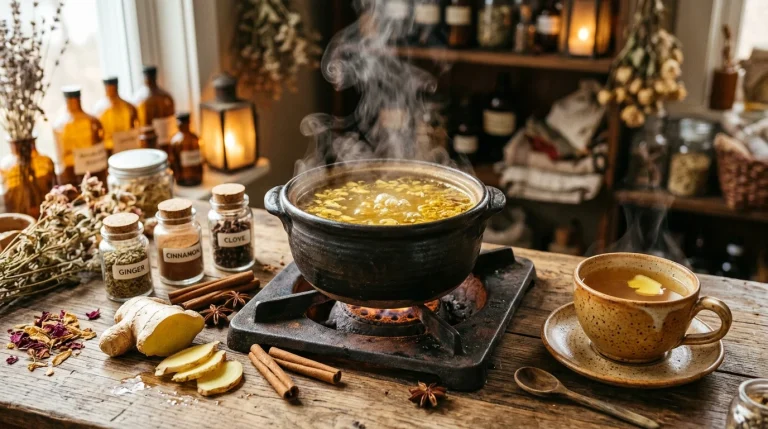
✨ This article was AI edited. Editorial responsibility: GarlicFruit.com.Understanding how to make a ginger decoction unlocks the full…
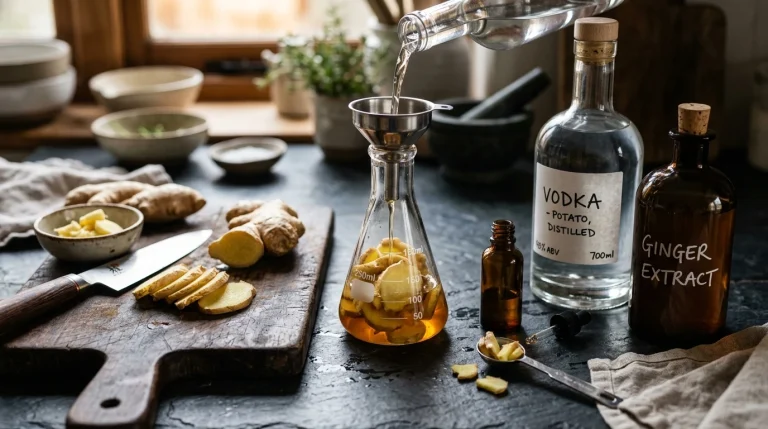
✨ This article was AI edited. Editorial responsibility: GarlicFruit.com.Mastering the ultimate ginger extract recipe bridges culinary craftsmanship, pharmaceutical…
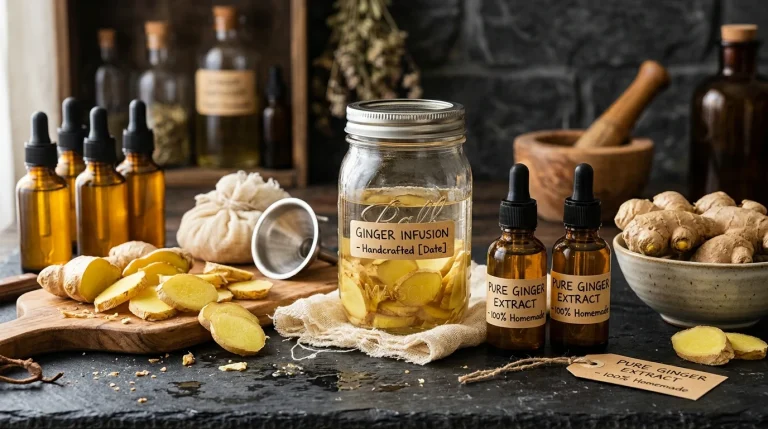
✨ This article was AI edited. Editorial responsibility: GarlicFruit.com.Learning how to make ginger extract at home empowers home…

Diet ginger ale may seem like a healthy alternative, but it still contains calories from artificial sweeteners. Understanding what you’re really drinking can help you make informed choices about your beverage consumption.

Looking for a refreshing and flavorful drink? Look no further than ginger crystals tea! Packed with spicy, invigorating flavor, this sparkling drink is sure to delight your taste buds with every sip.

Looking to elevate your cocktail game? Look no further than Honey Ginger Syrup! This versatile mixer adds a unique flavor profile to your drinks, whether you’re mixing up a classic cocktail or creating your own signature concoction. With its sweet and spicy notes, it’s the ultimate addition to any bar setup. Excite your taste buds and impress your guests with this must-have syrup in your repertoire.

Lime ginger tea is a refreshing blend that combines the zesty citrus flavor of lime with the spicy kick of ginger. This unique combination offers a burst of flavor in every sip, making it a perfect choice for those looking for a refreshing and invigorating beverage.

Ginger is often touted for its health benefits, but could it be causing hemorrhoids? Surprisingly, research suggests that ginger may actually help prevent hemorrhoids by reducing inflammation and improving digestion. However, it’s important to consume it in moderation to avoid any potential side effects.

Ginger green tea with lemon is a powerful detoxifying brew known for its numerous health benefits. This refreshing drink can help aid digestion, boost metabolism, and strengthen the immune system. Start your day with a cup of this tasty concoction for a natural cleanse.

Ginger kombucha tea is a flavorful and probiotic-rich beverage that offers a unique twist on traditional fermented teas. Packed with health benefits and a tangy kick, it’s a refreshing choice for those looking to boost their gut health.

If you find yourself craving a Moscow Mule but don’t have any ginger beer on hand, fear not! You can still enjoy this classic cocktail by substituting with ginger ale and adding a splash of fresh lime juice for that signature zing.

Whether you’re looking to cozy up on a chilly evening or simply seeking a refreshing drink on a…

Boost your energy levels and detoxify your body with a delicious beet and ginger juice recipe. Packed with vitamins and nutrients, this revitalizing drink will kickstart your day with a healthy dose of goodness.

Boost your immune system and reduce inflammation with this powerful orange turmeric ginger shot recipe. Packed with antioxidants and anti-inflammatory properties, this shot is a surefire way to keep your body healthy and strong.

Escape to the sun-drenched shores of the Caribbean with a soothing mug of ginger tea. Known for its…

Ground ginger typically lasts for about 2-3 years after the expiration date if stored properly in a cool, dark place. However, its potency may lessen over time, so it’s best to use it within a year for optimal flavor.

Mango ginger tea combines the tropical sweetness of mango with the spicy kick of ginger for a truly exotic flavor experience. Sip on this soothing blend to relax and rejuvenate your senses with each cup.

While ginger ale does not technically expire like food, it can lose its carbonation and flavor over time. Check the expiration date on the bottle for best taste.

Cold brew ginger tea offers a refreshing twist on a traditional favorite. By infusing the tea in cold water, the flavors are smoother and more mellow, creating a deliciously invigorating drink perfect for any time of day.

Start your day with a zesty health boost by trying out this Turmeric Ginger Apple Cider Vinegar Shot recipe. Packed with anti-inflammatory and immune-boosting properties, this easy-to-make shot will leave you feeling energized and refreshed.