
Argumento Fruit (Araticum): Botanical Profile, Flavor, and Nutritional Power
✨ This article was AI edited. Editorial responsibility: GarlicFruit.com.The legendary argumento fruit—botanically classified as Annona crassiflora and universally…
Fruits represent the mature, seed-bearing anatomical ovaries of flowering angiosperm plants that synthesize organic sugars, ascorbic acid, anthocyanin polyphenols, and soluble pectins to regulate seed dispersal and deliver bioavailable micronutrients.
Botanical classification, thick spongy albedo utilization, and Southeast Asian culinary heritage of ancestral citrus.
How alkaline calcium hydroxide baths cross-link fruit pectin molecules to maintain crisp cellular integrity during thermal processing.
Microbial fermentation dynamics converting bitter citrus naringin flavonoids into therapeutic probiotic bioactives.
The morphology, volatile terpene aromatics, and antioxidant ORAC density of Brazil’s wild Cerrado biome custard apples.
In classical plant morphology, true botanical fruits are organized into fleshy structures (berries, hesperidia, drupes, pomes) and dry dehiscent pods. The biochemical evolution of a ripening fruit is governed by two physiological classifications: climacteric fruits (such as apples, bananas, and araticum) that exhibit a distinct respiratory burst mediated by autocatalytic ethylene (C2H4) synthesis, and non-climacteric fruits (such as citrus pomelos, strawberries, and pomegranates) that do not ripen post-harvest and rely on vine-maturation for sucrose accumulation.
During maturation, plant cell walls undergo controlled enzymatic disassembly. Polygalacturonase and pectin methylesterase solubilize the middle lamella, softening firm parenchymal tissue. Concurrently, complex starch reserves convert into reducing fructose and glucose, while bitter defense tannins and organic acids (citric, malic, and tartaric acid) degrade. This biochemical transformation is visually punctuated by chlorophyll breakdown and the biosynthesis of anthocyanins, carotenoids, and flavonoids that act as natural antioxidants against photo-oxidation.
| Botanical Class | Diagnostic Anatomical Marker | Primary Phytonutrients | Maturation Pathway |
|---|---|---|---|
| Hesperidium (e.g. Pomelo) | Thick glandular flavedo, spongy albedo, juicy endocarp vesicles | Naringin, Hesperidin, Ascorbic Acid, d-Limonene | Non-climacteric (zero post-harvest sugar gain) |
| Syncarp / Aggregate (e.g. Araticum) | Merged carpels forming fleshy conical syncarps around central core | Annonaceous acetogenins, Carotenoids, Dietary Fiber | Climacteric (rapid post-harvest respiration) |
| Berry & Pepo | Fleshy pericarp throughout with non-woody endocarp | Anthocyanins, Ellagic Acid, Resveratrol, Soluble Pectins | Varies by botanical sub-family |
Climacteric fruits exhibit an autonomous burst in ethylene production and cellular respiration after harvest, allowing starches to convert to sugars off the tree. Non-climacteric fruits like citrus produce minimal ethylene and do not increase in sugar content once detached from the parent tree.
Pomelo (Citrus grandis) is one of the four foundational wild ancestral citrus species. Modern grapefruits, sweet oranges, and limes are interspecific hybrids bred from pomelo crosses, making pure pomelo genetics vital for rootstock disease resistance and breeding programs.
Soaking fruit in a food-grade calcium hydroxide (cal) solution supplies divalent calcium ions (Ca2+) that bond with demethoxylated carboxyl groups on pectin molecules. This forms an insoluble calcium pectate gel lattice that withstands boiling temperatures without collapsing into mush.
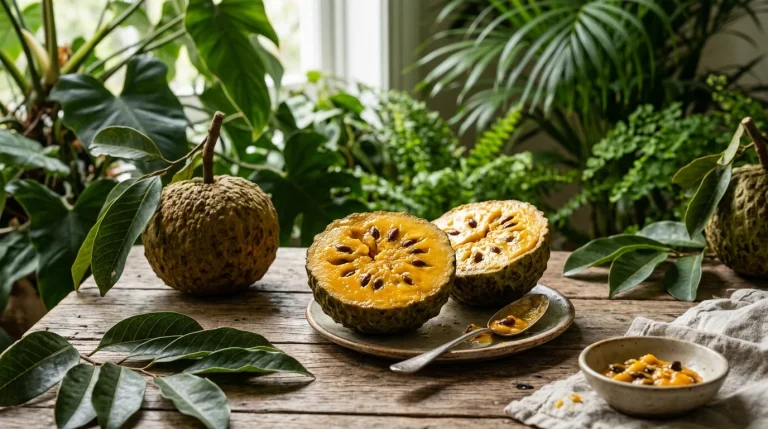
✨ This article was AI edited. Editorial responsibility: GarlicFruit.com.The legendary argumento fruit—botanically classified as Annona crassiflora and universally…
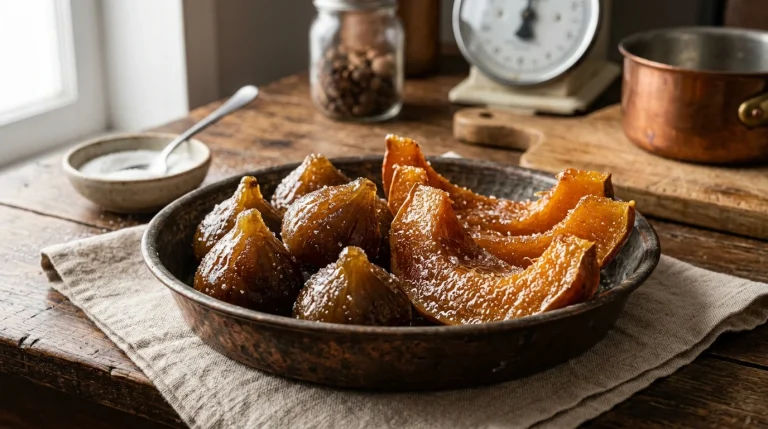
✨ This article was AI edited. Editorial responsibility: GarlicFruit.com.Nixtamalized fruit represents one of the culinary world’s most mesmerizing…
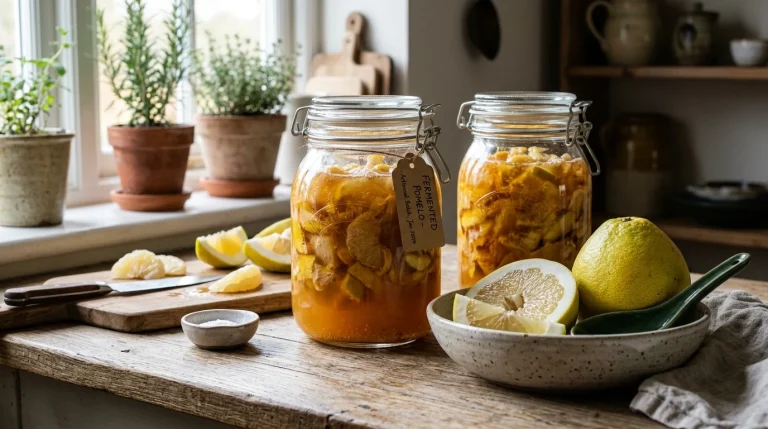
✨ This article was AI edited. Editorial responsibility: GarlicFruit.com.Exploring the culinary and probiotic wonders of fermented pomelo (Citrus…
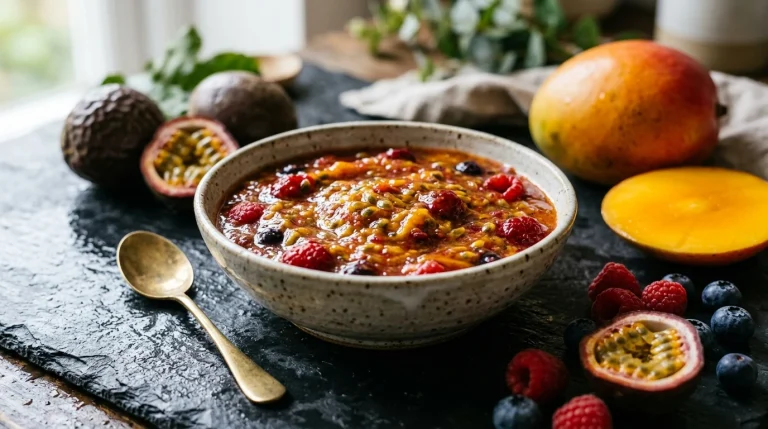
✨ This article was AI edited. Editorial responsibility: GarlicFruit.com.In an era dominated by ultra-processed food isolates and stripped…
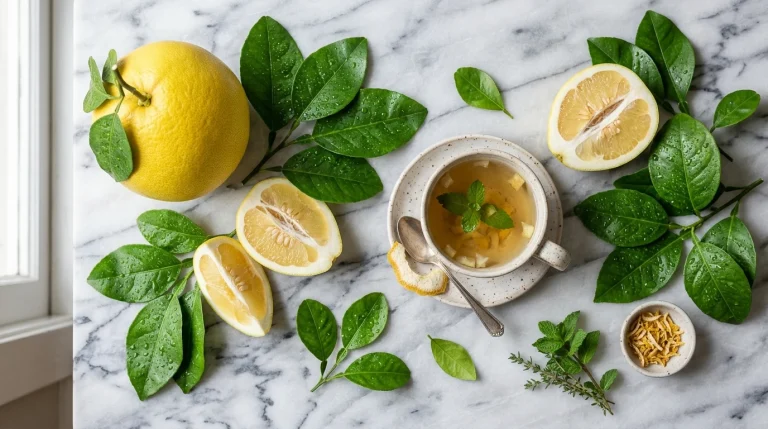
✨ This article was AI edited. Editorial responsibility: GarlicFruit.com.Across Southeast Asia and traditional citrus-growing regions, pomelo leaves (the…

Pomelo is not only delicious but also a fertility booster! Packed with vitamins and antioxidants, this fruit can help enhance reproductive health naturally. Learn more about the benefits of adding pomelo to your diet for improved fertility.

Dive into the world of Chinese cuisine and unlock the secret of pomelo! This citrus fruit adds a unique flavor and texture to dishes, providing a delightful revelation in every bite. Discover how to incorporate pomelo into your cooking and elevate your culinary creations.

Discover the unique flavors of pomelo pith with our creative recipe that turns bitterness into a culinary delight. Learn how to transform this often overlooked ingredient into a tasty and versatile addition to your cooking repertoire.

Pregnancy often brings about a myriad of dietary restrictions and questions, and one popular query among expectant mothers…

Pomelo leaf has been used for centuries in traditional medicine for its healing properties. From boosting immunity to promoting digestion, discover how this ancient remedy can benefit your modern wellness routine.

Pomelo pie is a delightful dessert that perfectly balances the sweet and tangy flavors of this unique citrus fruit. Whether you’re a pomelo lover or looking to try something new, this pie is sure to satisfy your cravings for a refreshing and flavorful treat.

Why stick to the same old margarita when you can switch things up with a pomelo twist? This refreshing cocktail adds a burst of citrusy flavor to the classic recipe, sure to impress your guests at your next party. Learn how to make it now!

Introducing the Pomelo Pearl Grape – a unique citrus sensation that combines the sweetness of grapes with the refreshing tang of pomelo. This delicious fruit is a must-try for all citrus lovers!

Pomelos do not ripen after being picked, so it’s important to select a ripe one from the start. Look for firmness and a heavy weight for juiciness. Enjoy this refreshing citrus as a snack, in salads, or squeezed for fresh juice!

Elevate your breakfast routine with homemade pomelo marmalade! This zesty spread is bursting with flavor and can be easily made at home. Learn how to brighten up your mornings with this delicious and versatile condiment.
Ready to enjoy the juicy goodness of pomelos without breaking the bank? Our pomelo price guide will help you navigate the market to score the best deals on this year’s must-have citrus fruit. Stay informed and start saving today!

Looking for a new way to unwind? Look no further than the potent Pomelo strain. This citrus twist on relaxation will leave you feeling refreshed and rejuvenated. Discover the benefits of this unique strain today!

Transform your space with the invigorating aroma of a pomelo candle. Citrus aromatherapy can uplift your mood and create a fresh, welcoming atmosphere in your home.

Revitalize Your Hair with Pomelo Hair Tonic: Nature’s Secret to Luscious Locks! Discover the power of pomelo extract in this natural hair tonic that will leave your locks looking healthy and vibrant. Say goodbye to dull, lifeless hair and hello to gorgeous, revitalized strands!

Looking for a light and refreshing meal? Try our exotic pomelo salad with juicy shrimp! Packed with vibrant flavors and bursting with freshness, this dish is sure to satisfy your taste buds.