

Growing Garlic in Wisconsin: Tips for a Successful Harvest
Are you a garlic lover living in Wisconsin? Interested in growing your own delicious, flavorful bulbs right in your backyard? Look no further! In this article, we will provide you with expert tips and tricks for successfully growing garlic in the Wisconsin climate. Whether you’re a seasoned gardener or a beginner, we’ve got you covered. So roll up your sleeves, grab your gardening gloves, and get ready to harvest some delicious garlic!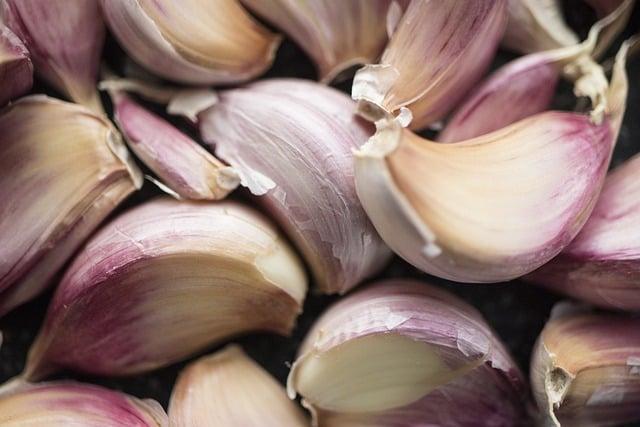
Contents
- Choosing the Right Garlic Variety for Wisconsin Climates
- Preparing the Soil for Healthy Garlic Growth
- Planting Timing and Depth Guidelines for Wisconsin Gardeners
- Watering and Fertilizing Tips for Optimal Garlic Development
- Managing Pests and Diseases in Wisconsin Garlic Plants
- Preventing Pests and Diseases
- Treating Common Pests and Diseases
- Harvesting Garlic: Signs of Readiness and Best Practices
- Troubleshooting Common Garlic Growing Issues in Wisconsin
- Concluding Remarks
Choosing the Right Garlic Variety for Wisconsin Climates
When it comes to growing garlic in Wisconsin, choosing the right variety is crucial for a successful harvest. With the state’s unique climate, it’s important to select garlic varieties that can thrive in colder temperatures and shorter growing seasons. Here are some tips to help you choose the right garlic variety for Wisconsin climates:
- Hardneck vs. Softneck: Hardneck garlic varieties are better suited for colder climates like Wisconsin, as they tend to be more cold-hardy. Softneck varieties are better suited for milder climates.
- Porcelain vs. Rocambole vs. Purple Stripe: Porcelain garlic varieties are known for their large bulbs and strong flavor, making them a popular choice for Wisconsin growers. Rocambole garlic has a rich, complex flavor and tends to perform well in colder climates. Purple Stripe varieties are known for their stunning appearance and bold flavor.
- Local Recommendations: Reach out to local farmers or gardening experts for recommendations on garlic varieties that have performed well in Wisconsin. They may have valuable insights on which varieties are best suited for your specific growing conditions.
Preparing the Soil for Healthy Garlic Growth
When it comes to growing garlic in Wisconsin, one of the most important steps is . By taking the time to properly prepare your soil, you can ensure that your garlic plants have the nutrients they need to thrive and produce a successful harvest.
Here are some tips for :
- Choose a sunny location: Garlic plants thrive in full sun, so be sure to choose a planting location that receives at least 6-8 hours of sunlight each day.
- Loosen the soil: Before planting your garlic cloves, be sure to loosen the soil to a depth of at least 6-8 inches. This will help the garlic roots to penetrate the soil easily and absorb nutrients more efficiently.
- Add compost or organic matter: To help improve the fertility of your soil, consider adding compost or other organic matter to the planting area. This will provide essential nutrients for your garlic plants and help to improve soil structure.
Planting Timing and Depth Guidelines for Wisconsin Gardeners
In order to have a successful garlic harvest in Wisconsin, it is important to plant your cloves at the right time and depth. Follow these guidelines to ensure that your garlic will thrive:
- Timing: Plant your garlic cloves in the fall, ideally between mid-October to mid-November. This will give the cloves enough time to establish roots before the ground freezes.
- Depth: When planting your cloves, make sure to bury them about 2 inches deep in well-drained soil. This will help protect them from harsh winter weather and promote healthy growth in the spring.
By following these planting timing and depth guidelines, you can increase your chances of a successful garlic harvest in your Wisconsin garden. Remember to water your garlic regularly and mulch around the plants to help retain moisture and control weeds.

Watering and Fertilizing Tips for Optimal Garlic Development
When it comes to growing garlic in Wisconsin, proper watering and fertilizing are crucial for a successful harvest. Here are some tips to ensure your garlic plants reach their full potential:
- Watering: Garlic plants need consistent moisture, especially during the growing season. Make sure to water your garlic regularly, keeping the soil moist but not waterlogged. Avoid overwatering, as garlic bulbs can rot in soggy conditions.
- Fertilizing: To promote optimal development, fertilize your garlic plants with a balanced fertilizer high in nitrogen. Apply fertilizer when planting and again in early spring as the plants begin to grow. Avoid fertilizers high in potassium, as they can inhibit garlic bulb formation.
| Watering Schedule | Fertilizer Type |
|---|---|
| Water consistently, keeping soil moist. | Use a balanced fertilizer high in nitrogen. |
| Avoid overwatering to prevent rot. | Avoid potassium-rich fertilizers. |
Managing Pests and Diseases in Wisconsin Garlic Plants
Preventing Pests and Diseases
One of the key ways to ensure a successful garlic harvest in Wisconsin is to proactively manage pests and diseases that can affect your plants. Here are some tips to help prevent common issues:
- Rotate your crops: Avoid planting garlic in the same location year after year to reduce the risk of diseases building up in the soil.
- Monitor for pests: Keep an eye out for signs of pests like aphids, nematodes, and onion maggots, and take action promptly if you notice any infestations.
- Practice good sanitation: Remove any plant debris after harvest, as it can harbor pests and diseases that may affect your next crop.
Treating Common Pests and Diseases
If you do encounter pests or diseases in your garlic plants, it’s important to take action quickly to prevent them from spreading. Here are some common issues you may face and how to treat them:
| Pest/Disease | Treatment |
|---|---|
| White Rot | Remove and destroy infected plants, practice good crop rotation, and consider using fungicides. |
| Garlic Rust | Ensure good air circulation, remove infected leaves, and consider applying sulfur-based fungicides. |
| Thrips | Use insecticidal soap or neem oil to control thrips infestations. |
Harvesting Garlic: Signs of Readiness and Best Practices
When it comes to harvesting garlic in Wisconsin, there are a few key signs to look for to determine if your garlic is ready to be harvested. One of the most important indicators is the appearance of the garlic plant itself. Once the leaves start to turn brown and yellow, it’s a good sign that the bulbs are ready to be harvested. Additionally, you can gently dig around one of the bulbs to check its size and firmness.
When harvesting garlic, it’s best to follow a few best practices to ensure a successful harvest. Here are some tips to keep in mind:
- Wait until the soil is dry before harvesting to prevent damage to the bulbs.
- Use a garden fork to gently lift the garlic bulbs from the ground, being careful not to puncture or bruise them.
- After harvesting, allow the garlic bulbs to cure in a cool, dry place for at least two weeks before storing them.
Troubleshooting Common Garlic Growing Issues in Wisconsin
One common issue that garlic growers in Wisconsin may encounter is inadequate drainage in their soil. Garlic bulbs are susceptible to rot if they sit in waterlogged soil for too long. To remedy this, ensure that your garlic bed is on a slight slope to allow for proper water drainage. Adding organic matter, such as compost or aged manure, can also help improve soil drainage.
Another issue that Wisconsin garlic growers may face is weed competition. Weeds can steal important nutrients and water from your garlic plants, resulting in smaller bulbs. Regularly weeding your garlic bed can help prevent weed competition. Consider using a mulch, such as straw or wood chips, to help suppress weed growth and retain soil moisture.
Lastly, inadequate spacing between garlic plants can lead to smaller bulbs. Garlic plants need room to grow and develop their bulbs properly. Ensure that you space your garlic cloves at least 6 inches apart in rows that are 12 inches apart. This will allow each plant to access the necessary nutrients and sunlight to produce healthy, robust bulbs.
Concluding Remarks
In conclusion, growing garlic in Wisconsin can be a rewarding experience with the right knowledge and care. By selecting the right variety, planting at the optimal time, providing proper nutrition and maintenance, and harvesting at the right time, you can enjoy a successful garlic harvest. Remember to rotate your crops, properly cure your garlic, and store it in a cool, dry place for long-lasting freshness. With these tips in mind, you can look forward to a bountiful garlic harvest in your Wisconsin garden. Happy planting!
Get our latest guides, news, and insights highlighted in your Google Search & AI Overviews.


