

When to Plant Garlic in Seattle: A Gardener’s Timing Guide
Garlic is a staple in many culinary creations, and growing your own in Seattle can be a rewarding experience. However, knowing exactly when to plant garlic is crucial for a successful harvest. In this article, we’ll provide you with a comprehensive guide on the best timing for planting garlic in Seattle, so you can enjoy a bountiful garlic harvest in your own backyard.
Contents
Best Timing for Planting Garlic
Garlic is a versatile and easy-to-grow crop that can be planted in Seattle with the right timing. The best time to plant garlic in Seattle is in the fall, typically between late September and early November. This allows the cloves to establish roots before the cold winter weather sets in.
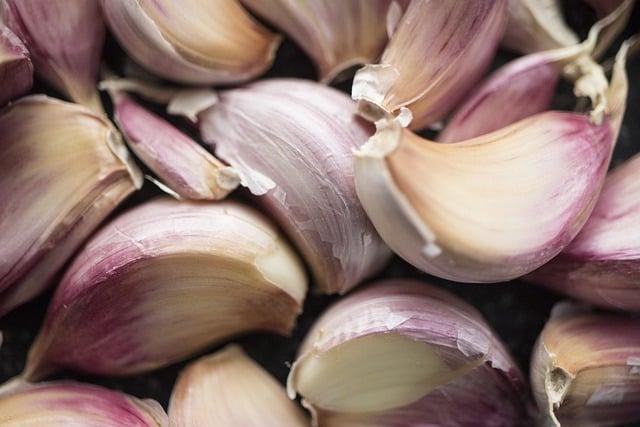
When selecting garlic cloves for planting, choose large, healthy bulbs from a reputable source. Break the bulbs apart into individual cloves, being careful not to damage them. Plant the cloves with the pointed end facing up and about 2 inches deep in well-draining soil.
For optimal growth, ensure that the garlic receives plenty of sunlight, water regularly, and add a layer of mulch to retain moisture and suppress weeds. With proper care and the right timing, you can look forward to harvesting fresh, flavorful garlic in the summer!

Optimal Soil Conditions for Planting Garlic
Garlic is a hardy crop that thrives in well-drained soil with plenty of organic matter. When planting garlic in Seattle, it is essential to ensure that the soil conditions are optimal to promote healthy growth and a bountiful harvest. Here are some key factors to consider when preparing your garden beds for planting garlic:
- Soil pH: Garlic prefers slightly acidic soil with a pH level between 6.0 and 7.0. Test your soil pH and amend it accordingly to create the ideal growing environment for your garlic plants.
- Soil Texture: Garlic grows best in loamy soil that is well-drained and loose. Avoid planting garlic in heavy clay soil that can become waterlogged and cause the bulbs to rot.
- Organic Matter: Incorporating compost or aged manure into your soil will provide essential nutrients for your garlic plants and improve soil structure. Aim for at least 2-4 inches of organic matter worked into the soil before planting.
Tips for Caring for Garlic in Seattle
Garlic is a staple in many Seattle gardens, but knowing when to plant it can make all the difference in your harvest. Here are some tips to help you care for your garlic crop in Seattle:
- Choose the right variety: Select a variety of garlic that is well-suited to the Pacific Northwest climate, such as Inchelium Red or German Red.
- Plant in the fall: Garlic should be planted in the fall, ideally between October and November, to allow the bulbs to establish their roots before winter.
- Provide good drainage: Garlic prefers well-draining soil, so be sure to amend your soil with compost or sand if necessary.
| Month | Task |
|---|---|
| October | Plant garlic cloves |
| February | Apply organic fertilizer |
| June | Harvest garlic bulbs |

Harvesting and Storing Garlic
Garlic is typically ready to harvest when the lower leaves of the plant start to turn yellow and wilt. To harvest garlic, gently dig around the bulb with a garden fork to loosen the soil. Carefully lift the bulbs out of the ground, being careful not to damage them. Once harvested, garlic bulbs should be cured before storage. Curing involves hanging the bulbs in a warm, dry place for several weeks to allow the outer layers to dry and the flavor to fully develop.
When storing garlic, it’s important to keep the bulbs in a cool, dry place with good air circulation. Bulbs can be stored whole or peeled and minced, depending on your preference. To extend the shelf life of your garlic, consider storing it in a mesh bag or hanging basket to ensure proper air flow. With the right timing and care, you can enjoy the flavors of freshly harvested garlic well into the winter months.

Common Pests and Diseases to Watch Out For in Seattle Garlic Plants
When growing garlic in Seattle, it’s important to keep an eye out for potential pests and diseases that could harm your plants. Here are some common issues to watch out for:
- Garlic Rust: This fungal disease appears as orange or yellow spots on the leaves. To prevent garlic rust, avoid overcrowding plants and ensure good air circulation.
- Onion Thrips: These tiny insects can damage garlic by sucking sap from the leaves, leading to stunted growth. Use insecticidal soap to control thrips.
- Nematodes: These microscopic worms can infect garlic roots, causing wilting and stunted growth. Rotate garlic with non-host crops to reduce nematode populations.
| Pest/Disease | Symptoms | Prevention |
|---|---|---|
| Garlic Rust | Orange or yellow spots on leaves | Air circulation and proper spacing |
| Onion Thrips | Sap-sucking damage, stunted growth | Insecticidal soap |
| Nematodes | Wilting, stunted growth | Rotate crops with non-host plants |
The Conclusion
In conclusion, timing is key when it comes to planting garlic in Seattle. By following the guidelines outlined in this article, you can ensure a successful garlic harvest in your garden. Remember to plant your garlic in the fall, ideally around October, for the best results. Pay attention to the weather and soil conditions to give your garlic the optimal growing environment. With a little knowledge and planning, you can enjoy fresh, flavorful garlic straight from your own garden. Happy planting!
Get our latest guides, news, and insights highlighted in your Google Search & AI Overviews.


